High-Quality 3D Models for Cosmetic Tubes: A Comprehensive Guide
In the world of digital design and 3D modeling, high-quality 3D models have become essential tools for professionals in various industries. One such model that has gained popularity is the cosmetic tube 3D model. This article explores what a cosmetic tube 3D model is, its significance, and how it can be used in different fields. We'll also discuss the included files, such as Blend, FBX, OBJ, and GLB, and why they matter.
What Is a Cosmetic Tube 3D Model?
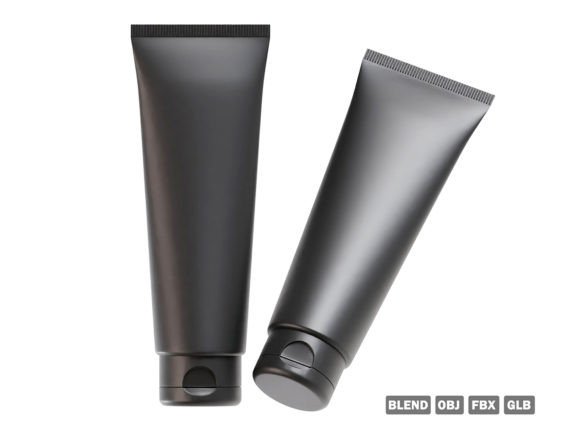
A cosmetic tube 3D model is a digital representation of a cosmetic container, such as a lipstick tube, cream jar, or serum bottle. These models are created using 3D modeling software and are designed to mimic the real-world appearance and dimensions of actual products. They are widely used in advertising, product visualization, and virtual reality applications.
One of the key features of a high-quality cosmetic tube 3D model is its realistic dimensions. This means that the model accurately reflects the size and shape of the physical product, making it ideal for use in packaging design, marketing materials, and e-commerce platforms.
The Significance of High-Quality 3D Models
High-quality 3D models play a crucial role in modern design workflows. They allow designers to visualize products before they are manufactured, saving time and resources. Additionally, these models can be used in virtual presentations, online stores, and social media campaigns to showcase products in an engaging way.
For businesses, having access to a high-quality 3D model of a cosmetic tube can streamline the product development process. It enables teams to test different designs, colors, and textures without the need for physical prototypes. This not only reduces costs but also accelerates the time-to-market for new products.
Understanding the Included Files
When purchasing a cosmetic tube 3D model, you may receive several file formats, each serving a specific purpose. Let's take a closer look at some of the most common ones:
- Blend File: This is the native file format of Blender, a popular open-source 3D creation suite. The Blend file contains all the necessary data, including materials, textures, and animations. It is ideal for users who want to modify the model within Blender 3.0, which supports both Cycles and Eevee rendering engines.
- FBX File: The FBX format is widely used in the 3D industry because it is compatible with most 3D software applications. It preserves the model's geometry, materials, and animation data, making it a versatile choice for integration into different projects.
- OBJ File: The OBJ format is a standard 3D model file format that is supported by many 3D applications. It primarily stores the geometry of the model, making it useful for basic rendering and editing tasks.
- GLB File: GLB is a binary version of the GLTF (GL Transmission Format) file. It is commonly used for web-based 3D content and offers efficient loading times, making it ideal for online applications and interactive experiences.
Customization and Flexibility
One of the advantages of a high-quality cosmetic tube 3D model is its customizability. The model typically includes standard materials that can be easily modified to match different color schemes, finishes, and textures. This flexibility allows designers to experiment with various visual styles and create unique product representations.
For example, a designer might want to create a shiny metallic lipstick tube for a luxury brand or a matte cream jar for a natural skincare line. With the right tools and materials, these changes can be made quickly and efficiently.
Applications in Different Industries
The versatility of a cosmetic tube 3D model makes it valuable across multiple industries. Here are a few examples:
- Marketing and Advertising: Brands can use 3D models to create eye-catching visuals for advertisements, social media posts, and product pages. These models help convey the product's appearance and quality without the need for physical samples.
- E-commerce: Online retailers can incorporate 3D models into their websites to provide customers with a more immersive shopping experience. Customers can view the product from different angles, zoom in on details, and even see how it looks in different lighting conditions.
- Education and Training: In educational settings, 3D models can be used to teach students about product design, material properties, and digital modeling techniques. They offer a hands-on approach to learning and help students develop practical skills.
- Virtual Reality (VR) and Augmented Reality (AR): 3D models are essential for creating VR and AR experiences. They enable users to interact with virtual products in a realistic environment, enhancing engagement and user experience.
Common Misconceptions About 3D Models
Despite their usefulness, there are some common misconceptions about 3D models that people may have. One of the most prevalent is the belief that 3D models are only for professionals. However, with the availability of user-friendly software and pre-made models, even beginners can create and use 3D models effectively.
Another misconception is that 3D models are too complex to work with. While some models may require advanced knowledge, many high-quality models come with detailed documentation and tutorials to guide users through the process. This makes it easier for individuals to get started and achieve professional results.
How to Choose the Right 3D Model
When selecting a cosmetic tube 3D model, there are several factors to consider:
- Quality and Detail: Look for models that have high polygon counts and realistic textures. These will provide a more accurate representation of the product.
- Compatibility: Ensure that the model is available in the file formats you need. If you're using Blender, for example, a Blend file with Cycles and Eevee materials would be ideal.
- Customizability: Choose a model that allows for easy modifications, such as changing colors or materials. This gives you more flexibility in your design workflow.
- Support and Documentation: Opt for models that come with detailed instructions or customer support. This can save you time and frustration when working with the model.
Conclusion
A high-quality cosmetic tube 3D model is a powerful tool for designers, marketers, and businesses looking to enhance their product visualization efforts. With its realistic dimensions, customizable materials, and compatibility with various software, it offers a flexible solution for a wide range of applications. Whether you're creating marketing materials, developing a product prototype, or exploring 3D design, a well-crafted 3D model can make a significant difference in your workflow.
By understanding the purpose, significance, and practical relevance of these models, you can make informed decisions and leverage them effectively in your projects. As technology continues to evolve, the role of 3D models in modern design and communication will only continue to grow.