Coloring Paper Craft House 3D Model: A Strategic Tool for Creative Growth
The Coloring Paper Craft House 3D Model is more than just a fun activity—it’s a strategic resource designed to inspire creativity, enhance learning, and support developmental growth in children. This unique craft project offers a blend of artistic expression and practical engagement, making it an ideal tool for parents, educators, and creators looking to foster imaginative thinking and hands-on skills.
Understanding the Value of the Coloring Paper Craft House 3D Model
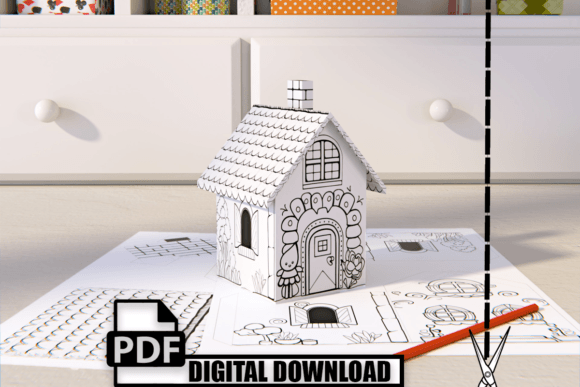
At its core, the Coloring Paper Craft House 3D Model is a downloadable set of PDF files that include a detailed design, a blank template, and step-by-step assembly instructions. The model is designed to be printed, colored, and assembled, offering a tactile experience that encourages both individual and collaborative play. This makes it a versatile tool for a wide range of applications, from educational settings to family activities and even entrepreneurial ventures.
For adults, this model provides a structured way to engage with children while promoting key developmental skills. It also serves as a platform for creative exploration, allowing users to experiment with colors, shapes, and spatial awareness. By integrating this model into daily routines or special projects, users can unlock new opportunities for learning and growth.
Strategic Use Cases for the Coloring Paper Craft House 3D Model
The versatility of the Coloring Paper Craft House 3D Model makes it suitable for various strategic purposes. For instance, educators can use it as part of a curriculum focused on art, design, and STEM education. By incorporating the model into classroom activities, teachers can encourage students to think critically about structure, balance, and aesthetics while developing fine motor skills.
Entrepreneurs and small business owners can also benefit from this model by using it as a promotional tool or product offering. Whether sold as a downloadable package or integrated into a larger craft kit, the model provides a low-cost, high-impact solution for engaging customers and building brand loyalty. Its ease of use and adaptability make it an attractive option for those looking to expand their product line or offer unique experiences to their audience.
Parents and caregivers can use the model to create meaningful moments with their children. By working together on the craft, families can strengthen bonds, share knowledge, and celebrate creativity. This shared experience not only enhances the child’s development but also provides a valuable opportunity for adults to reflect on their own creative potential.
When to Use the Coloring Paper Craft House 3D Model
The timing of when to use the Coloring Paper Craft House 3D Model depends on the goals and needs of the user. For educational settings, it may be most effective during art classes, after-school programs, or special events that focus on creativity and hands-on learning. In these contexts, the model can be used to introduce concepts such as geometry, color theory, and spatial reasoning in a fun and engaging way.
For personal or family use, the model can be introduced during holidays, birthdays, or quiet afternoons when there is time for creative exploration. It’s also a great option for rainy days or when seeking a break from screen-based activities. By choosing the right moment, users can maximize the benefits of the model and ensure a positive experience for all involved.
In a business context, the model can be strategically deployed during marketing campaigns, product launches, or customer engagement initiatives. By aligning its use with specific objectives, businesses can create memorable interactions that resonate with their target audience and drive long-term results.
How to Approach the Coloring Paper Craft House 3D Model
To get the most out of the Coloring Paper Craft House 3D Model, it’s important to approach it with clear intentions and a structured plan. Start by identifying the purpose of the project—whether it’s for education, entertainment, or commercial use. This will help guide the selection of the right materials, the level of involvement, and the expected outcomes.
Next, consider the resources required. The model requires basic supplies such as paper, pens, glue, and scissors. Choosing high-quality materials like 160gsm paper ensures durability and a better crafting experience. It’s also essential to have a comfortable workspace and sufficient time to complete the project without rushing.
Finally, take the time to review the assembly instructions carefully. While the process is designed to be simple, following the steps accurately ensures a successful outcome. Encourage creativity by allowing space for personalization, but also maintain a sense of structure to keep the project on track.
What to Consider Before Relying on the Coloring Paper Craft House 3D Model
Before fully relying on the Coloring Paper Craft House 3D Model, it’s important to assess its suitability for the intended purpose. For example, if the goal is to develop advanced technical skills, the model may need to be supplemented with additional resources or more complex projects. Similarly, if the objective is to create a commercial product, considerations around pricing, distribution, and marketing should be addressed.
Another factor to consider is the age and abilities of the users. While the model is designed for children, it may require adult supervision or assistance depending on the complexity of the task. Ensuring that all participants are comfortable with the process helps prevent frustration and maintains a positive experience.
Additionally, it’s important to evaluate the long-term value of the model. Does it align with broader goals? Will it continue to provide benefits over time? By reflecting on these questions, users can make informed decisions about how to integrate the model into their plans and strategies.
Practical Examples of Using the Coloring Paper Craft House 3D Model
One practical example of using the model is in a classroom setting where students are encouraged to design their dream homes. By coloring the template and assembling the 3D structure, students can express their ideas and learn about architecture, design, and creativity. Teachers can then use the completed models for presentations, discussions, or art exhibitions, reinforcing the learning experience.
Another example is in a home environment where parents and children work together on the project. This collaborative effort not only strengthens family relationships but also provides a chance for parents to guide their children through the creative process. The finished house becomes a cherished keepsake that reflects the shared experience.
For entrepreneurs, the model can be used as a free sample or promotional item to attract customers. By offering the downloadable files at no cost, businesses can generate interest and build a loyal following. This strategy can be particularly effective for craft-related brands, schools, or community organizations looking to connect with their audience.
Risks of Using the Coloring Paper Craft House 3D Model Without Clear Goals
While the Coloring Paper Craft House 3D Model is a valuable resource, using it without clear goals can lead to wasted time, confusion, and limited results. For example, if the project is undertaken purely for entertainment without a defined purpose, the potential benefits may not be fully realized. Similarly, if the model is used in a business context without proper planning, it may fail to meet expectations or generate the desired outcomes.
Another risk is the lack of engagement from participants. If the model is presented without explanation or guidance, users may lose interest or struggle to complete the project. To avoid this, it’s important to communicate the purpose and benefits of the model clearly and provide support where needed.
Finally, failing to consider the long-term value of the model can result in missed opportunities. By not aligning the use of the model with broader goals, users may overlook its potential to contribute to personal growth, educational success, or business development.
Intentional Use of the Coloring Paper Craft House 3D Model
To use the Coloring Paper Craft House 3D Model intentionally, start by defining the purpose and desired outcomes. Whether it’s for education, creativity, or business, having a clear vision helps guide the process and ensures that the model is used effectively. Set realistic expectations and be open to adapting the approach based on the needs of the users.
Encourage collaboration and communication throughout the process. Involve others in the decision-making and problem-solving aspects of the project to foster a sense of ownership and shared achievement. This not only enhances the experience but also promotes teamwork and critical thinking.
Finally, reflect on the results and consider how the model can be used in future projects. By continuously evaluating the impact of the model, users can refine their approach and maximize its value over time.